Strengthen Young Football Talent With Structured Training
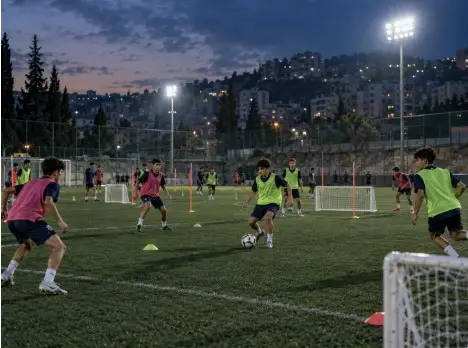
The Growing Importance of Structured Youth Training in Football
Talents in football are often noticed at a much younger age than when the sportsman joins the professional team. The young lad can show great ball-handling skills when playing for the school team or tremendous speed when he is playing in the playground. However, it must always be remembered that every talent needs constant education to develop fully. Youth training programs provide a structured approach to take young footballers from one stage to another.
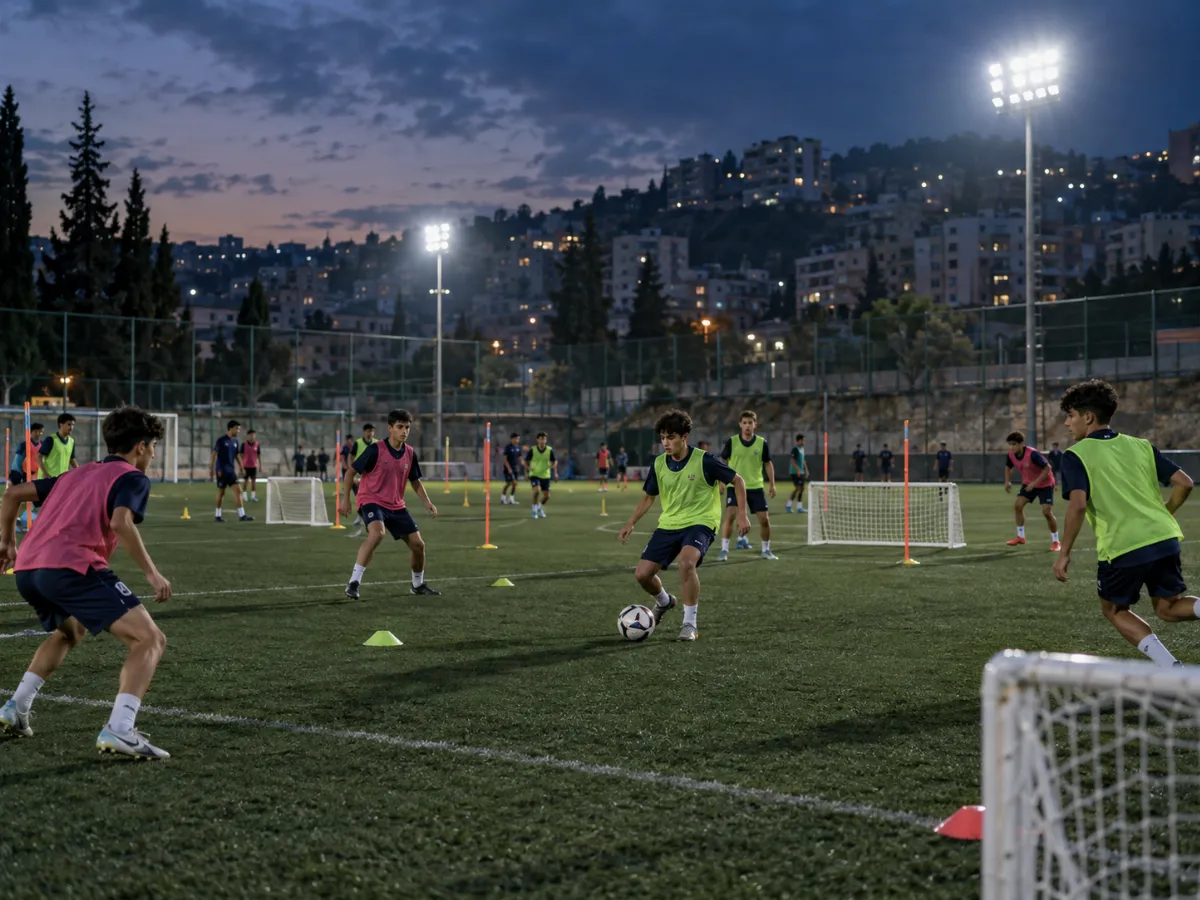
In Lebanon, the interest in football comes as a result of the existence of local clubs, matches in schools, and private academies. Even though some become interested in the sport on the field, some become fans by following local competitions and international tournaments. Adults will spend their time analyzing the performance of the teams, checking the statistics of matches, and reading football news.
There are people who get interested in betting on the outcomes of the games. This is achieved through analyzing the performance of the professional teams and understanding the odds to enable making an informed decision for bets. Those wishing to engage in football betting can sign up through the Melbet registration page.
Why Youth Football Needs a Clear Training Structure
The youngsters will benefit from learning faster if the sessions in which they participate are set for certain purposes. They will be given an understanding of the basic techniques of the game, after which the complex scenarios will be introduced to them. They will learn how to pass the ball, move to particular positions, and react in particular situations.
Football fans monitor team performance and the changes in the squads. Some apply their knowledge in betting on football games by analyzing recent statistics and odds. With the help of Melbet login, registered members have a chance to bet before the match and during the game. At the same time, football academies work hard on bringing up future players.
The Main Elements of Organized Development
There are many aspects that should be covered by the training program. First of all, coaches have to know how technical work is related to physical development and football intelligence. Little kids require more freedom for experimentation, whereas teens are ready to learn tactics.
|
Training area |
Main focus |
Expected benefit |
|
Technical preparation |
Passing, dribbling, shooting |
Better ball control |
|
Tactical education |
Positioning and movement |
Smarter decisions |
|
Physical development |
Balance and coordination |
Improved movement |
|
Mental preparation |
Confidence and focus |
Greater composure |
|
Team development |
Communication and cooperation |
Stronger partnerships |
These skills will mature at varying rates. A technically sound individual may need additional time for learning positioning. An individual may possess strong awareness of the play but still need additional training on the ball. Individualized instruction enables both individuals to excel in the same academy program.
Building Technical Skills From an Early Age
With correct technique, the players can make more decisions while playing. When the player feels comfortable with the ball, he will be able to watch all the events that happen around him. He will be able to see his teammates who run into open spaces or the defenders who come up to him. And this is exactly the reason why the coaches invest so much time in teaching the skills of receiving, passing, and dribbling from the very beginning.
Repetition is very important, but repeated exercises get boring sooner or later. Passing becomes much more fun when coaches add an element of movement and some competition to the drills. The children perform their usual actions under new conditions. Small-sided games turn out to be quite efficient, as every player gets more chances to work with the ball.
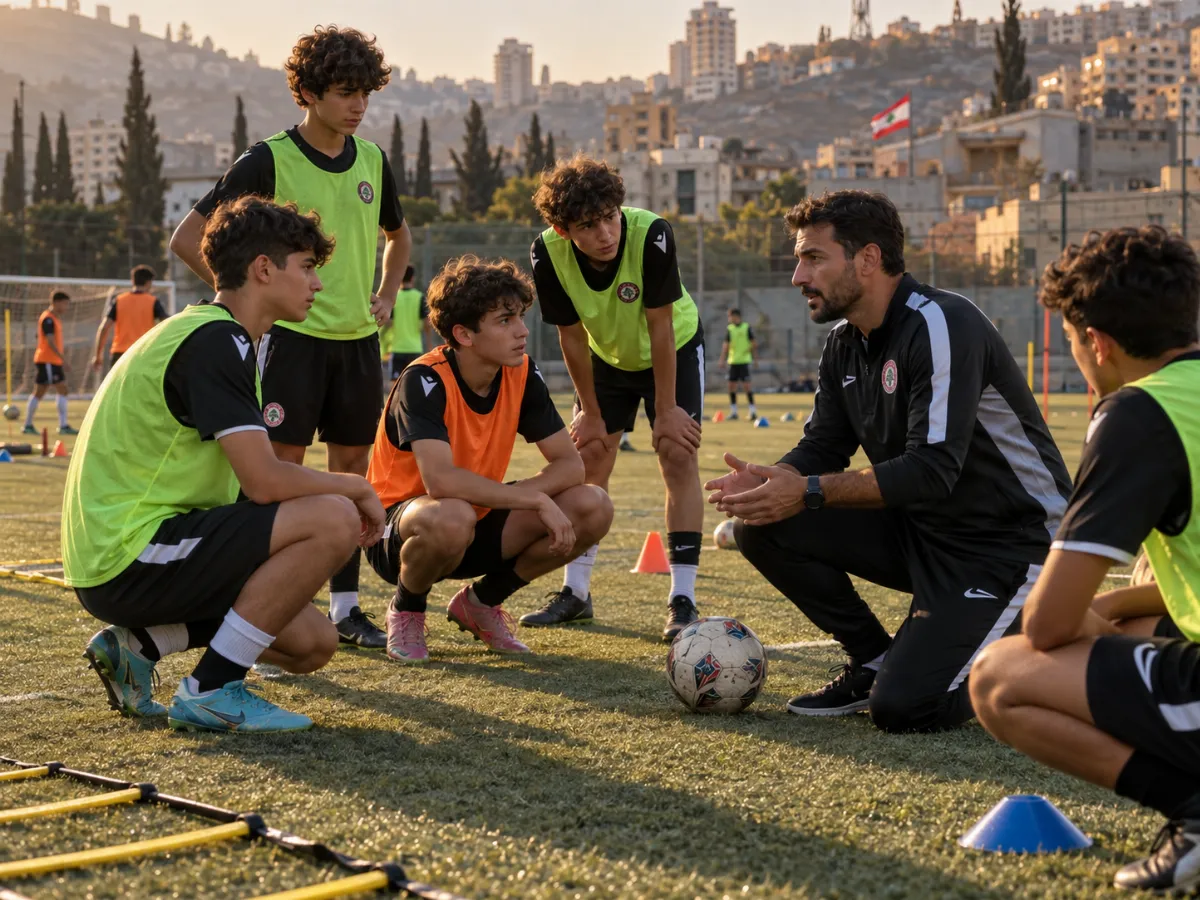
Teaching Through Practical Exercises
Youth coaches can design training exercises based on those that simulate actual match conditions. These include:
-
Small-sided games: To make decisions fast and to get involved often.
-
Combination passing drills: Timing, technique, and positioning after the pass.
-
Individual dribbling drills: Confidence while facing opposition.
-
Shooting practice: Positioning the body for shooting.
Coaches should also observe how children use the techniques in playing games. In many cases, an athlete may perform well during practice but may not play in the presence of defenders. Training should offer ways of dealing with such situations.
Physical Development Without Excessive Pressure
The needs of the young athletes are different from those of the adults. This is because the young ones have developing bones and muscles that should be taken into consideration when devising exercise programs for them based on their ages. Exercises like running, jumping, and balancing are good for the young ones.
The recovery process is equally important. Rest days, enough sleep, and good nutrition will help them grow properly. The coach needs to discuss training routines and schedules with the parents, particularly if the children play at school too.
Why Movement Quality Matters
Sudden directional changes and reactive play are part of football. The development of coordination will help players do these movements in a controlled way. Coaches could incorporate drills using cones, sprints, and pace changes into training.
It is important not to let physical development rely completely on speed and body size. There have been some talented footballers who developed much later than other children of their age.
Developing Football Intelligence and Decision-Making
Technical ability becomes more useful as one becomes familiar with the game. Technical knowledge is the ability to see space, anticipate movements, and take the appropriate action. This is done through experience. One can fast-track the development process by designing scenarios where kids have to think for themselves.
For instance, kids can be asked to advance the ball in a congested central zone. They have to decide whether to play a quick pass, change direction, or advance the ball. The coach can then discuss with the children the other options that could have been taken.
Helping Players Understand Different Positions
Young footballers gain from assuming multiple positions prior to settling into a certain one. A defender who tries out the position of a midfielder may be able to become aware of passing skills. This applies to forwards as well, who learn through defending the need to press and position.
Position switching gives room for discovering the hidden talents of players. A young footballer regarded as a winger is capable of displaying good vision in the central midfield.
The Importance of Qualified Coaches in Lebanon
There would be great gain for the Lebanese youth football system if there were teamwork between schools, clubs, and specialized academies. Trained coaches play a very vital part in developing set standards of performance. It goes far beyond just demonstrating certain exercises. They need to take into account personal qualities, learn to communicate, and create a respectful atmosphere.
Educating coaches is one of the key aspects of developing football internationally. Bodies such as FIFA are concerned with proper training and educational methods. This can be done by the Lebanese football community as well.
Creating a Supportive Learning Environment
Children perform well when coaches praise their efforts and clarify their mistakes to them. Repeated criticism might hurt their self-confidence, particularly the young ones. Positive reinforcement makes them try hard during training sessions.
Creating a positive academy culture also involves daily practices. This can be done by coaches in several ways:
-
Define your expectations regarding attendance and conduct.
-
Provide opportunities to all participants.
-
Communicate regularly with families.
-
Acknowledge accomplishments along the way.
Mutual respect in the relationship ensures that the children feel comfortable asking their questions. Such mutual respect will lead to successful coaching as well.
Connecting Youth Academies With Competitive Football
The training will provide the foundation, while the competition will serve as a way to find out how well the player applies his skills on the pitch. It will be wise to choose local league games and school competitions to gain such experience. The young players will face new opponents and will learn how to deal with every situation.
The academies should select those competitions that correspond with their skills. It will be helpful for the player's improvement as long as he faces more challenging opponents, but within certain limits. The continuous analysis of the results of the match will allow the coaches to find all technical mistakes.
In order to promote proper development of football in Lebanon, it would be wise to use the relationship between youth academies and the footballers. The gifted young footballers should be allowed to face better footballers and learn about the profession and stay busy.
Measuring Progress Beyond Match Results
Success creates concentration, but personal development needs assessment. Coaches can assess the improvements in passing, moving into space, and communication in the game. Personal development logs give important information on the development of the players.
There are many things that parents can also gain from knowing about assessments. Constructive criticism helps parents realize the improvement being made, not only goals and successes. Then, youth footballers can be motivated through personal development and not success.