Mobile Technology in Modern Sports Training
Impact of Mobile Technology on Modern Sports Training
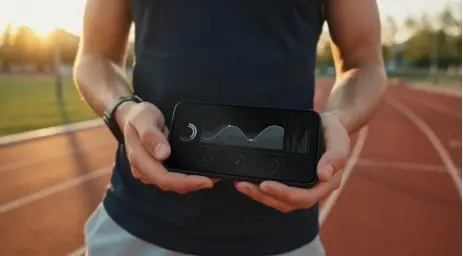
Mobile technology is transforming how athletes prepare from the school level to professionals. Smartphones and other connected devices capture data on speed, heart rate, sleep, and load, among others, on a daily basis. Coaches use this data to prepare plans, while athletes get feedback and review data from training sessions within minutes. This article discusses the tools, what makes them useful, and their limits. Learn how to use these tools to improve your training.
How Smartphones Replaced Traditional Training Aids
About a decade ago, athletes kept records of their training using paper, stopwatches and other training aids. Smartphones have replaced all that and more. Currently, athletes can use their phones to video record and coordinate with several sensors to track training activities, location and speed, among others. This data is stored and sent for review and comparison by the athletes and coaches respectively. Training files are shared with members of the team through cloud and messaging applications.
Many sports fans can be found following training and match schedules on their phones. Some place pre-match bets on various sports like football, tennis, and basketball on the same phone. New users who register on a mobile browser may claim the MelBet bonus on a first deposit, according to the current offer terms. Reading the bonus offer terms and conditions first helps bettors plan their stakes. Keeping a short note on these conditions makes following rules easier.
Wearables and Real-Time Performance Data
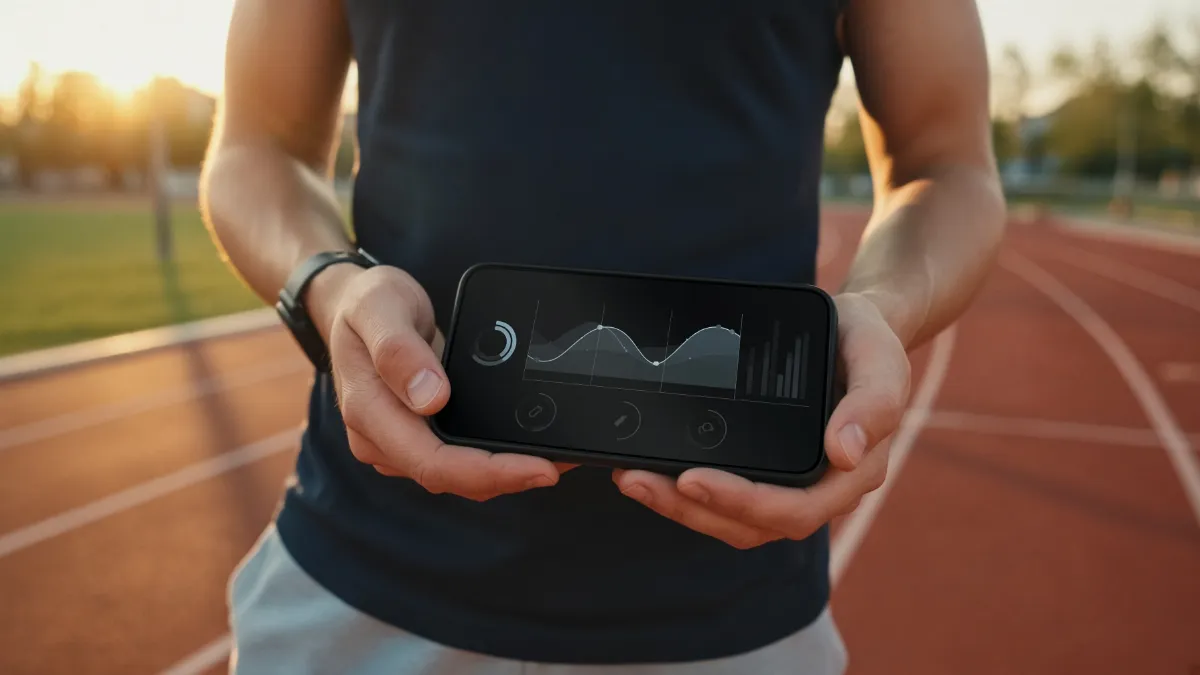
Wearable sensors give football and rugby practitioners ways to measure training loads beyond what cell phones can. Chest straps and some watches measure heart rate. GPS vests measure distance, sprints and acceleration. The sensors all sync to a mobile app which staff can pull up on a tablet during practice to view the data. Many professional clubs use these systems. Cheaper versions are available to the public, but the accuracy of these systems varies, so readings are best used to assess trends.
Access to sports data is becoming increasingly important for sports fans. Many sports fans watch live games while simultaneously checking player performance stats and in-game betting odds. For individuals who wish to place sports bets, they can use the MelBet app download for Android from the official website. They can view the stats and bets they have made, as well as gain quick access to live bets. Keeping the app up to date and using a newer phone can help the app run more efficiently.
Training Apps Supporting Daily Plans
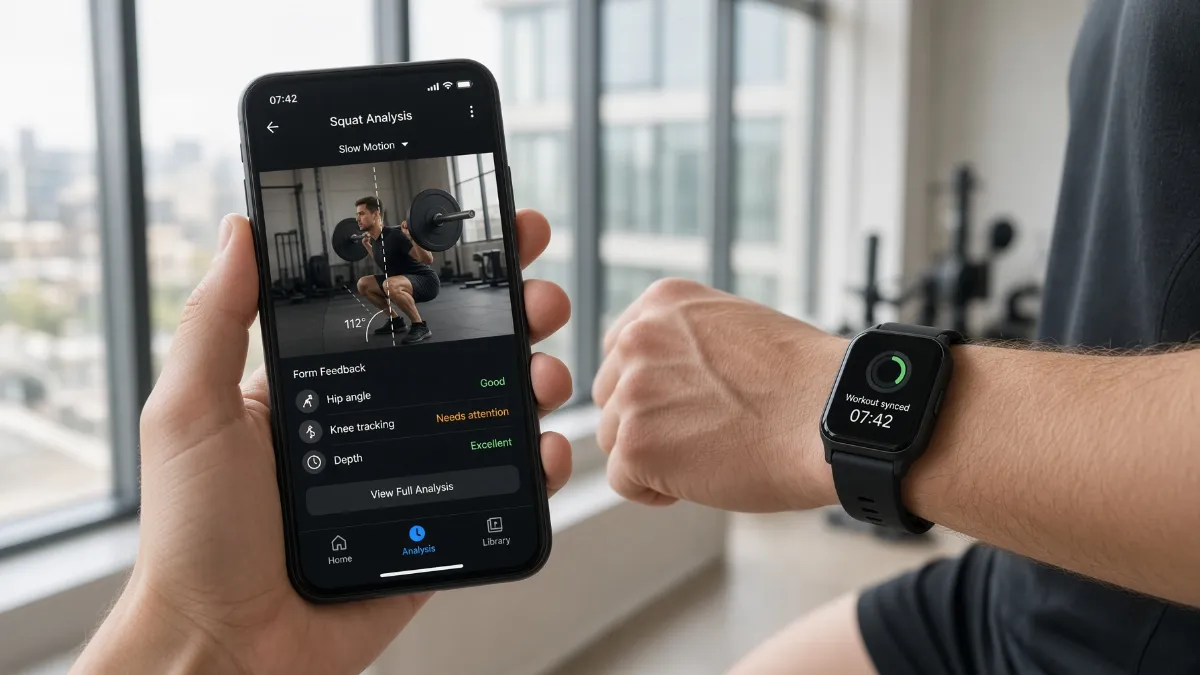
Many athletes use apps to plan their training weeks. These apps store plans, track sets and reps, and send alerts for upcoming workouts. Remote editing of plans is a useful feature for athletes that train away from the team facility or travel. Some apps include tools to help athletes slow down movements and compare to a reference video to help them with analysis. There are a ton of different features in these apps. The most popular ones are listed below.
-
Workout logging: Tracking and recording workouts for analysis.
-
Video Analysis: Tools to help athletes compare and analyze movements.
-
Progress Charts: Show improvements in speed, strength and endurance.
-
Team Messaging: Sharing workouts, schedules and feedback.
These features save time, because info isn't scattered in numerous notes. Athletes, for the first time, can visually see, chart and analyze their own habits (i.e. missed practice, uneven practice sessions, etc.). Basic logging is normally free and available in the apps, while analysis and additional tools are behind a paywall. For the best results, stick to using only one app. Using many apps can have the same effect as not using any at all. Tracking progress over time is useful for many things, and can help give the athlete a competitive edge.
Using the same apps often leads to easier organization and structure for teams. With the same app, everyone works off the same info, so a session plan posted by a coach on Sunday can have players confirming attendance just minutes later. Structuring and planning, especially for marathon training and other individual sports and events, is popular and made available by the same apps. It allows athletes to train and plan using the same structures and coaching methods as athletes in major cities, and more popular and populated areas.
Recovery, Injury Prevention and Mental Preparation
Athlete training can be demanding and exhausting; recovery is equally as important as training. The body only adapts and improves when it fully recovers. Athletes appreciate and take advantage of data that quantifies and helps them manage their own recovery. Smartwatches have become popular and give athletes a number of data points to analyze throughout the day; including quality and duration of sleep, resting heart rate, and even heart rate variability. While many data points are speculative, some may help identify patterns over time that may reflect fatigue and require rest and recovery.
The use of mobile devices has also changed how injury prevention is managed. Mobile applications may prompt athletes to complete prescribed exercises and mobility drills; even physiotherapists can manage and assess an athlete’s injury without face-to-face meetings.
The use of mobile devices has moved beyond the physical to the mental preparations of an athlete. Many of the same goals and streak features found in fitness-related applications can be found in mindfulness applications as well. Consistency during the offseason is emphasized by athletes and is reinforced by these mobile applications.
Best Practices for Mobile Data
Using training data to inform training is somewhat of a double-edged sword. Tracking data obsessively can take athletes’ focus away from how they actually feel, rather than how they’ve performed. Coaches have to rely on observation, conversation and experience before altering training plans. Sensor readings are prone to error from software settings, battery life and accuracy of the sensors themselves. To increase trust in the results, users can calibrate the devices against known measures (track workouts, for example).
Location, health and performance data stored in training apps are concerns for athlete privacy. To protect privacy, teams and clubs have established clear guidelines for data use and handling. Passwords and software updates protect data and are considered best practices. Young athletes should consult parents and/or coaches before using any apps, and be sure to choose apps that adequately protect their privacy.
While advanced, expensive training systems offer a plethora of bells and whistles, the majority of athletes can gain actionable data with a moderately decent phone and a heart rate strap (or similar sensor). Knowing what is needed before buying is critical. Purchasing equipment based on perceived wants is a fast way to burn through wallets. Sensors and small systems are preferred over large, expensive ones.
Mobile training technology is rapidly evolving and advancing. Recently, motion tracking has been added to smartphone cameras, and some coaches use this to evaluate technique without using additional equipment. Certain apps use artificial intelligence (AI) to recommend workouts based on the user’s previous workouts and their recent recovery. While these recommendations can be useful, they still must be validated by a human coach. In general, automated recommendations in training apps should not be fully relied on.
The Future of Training Is in Your Hands
New mobile technology has turned the smartphone into a reliable training partner for athletes of all levels. There are now wearables and apps that provide training feedback previously reserved for elite athletes. However, the usefulness of these is limited by the accuracy of the data, and the user must be guided by a qualified coach to fully benefit from them. To get the most out of training apps and trackers, an athlete should focus on using a few reliable tools and incorporating them into their training plan.