Trent Alexander-Arnold: The Playmaker Who Redefined the Modern Right-Back
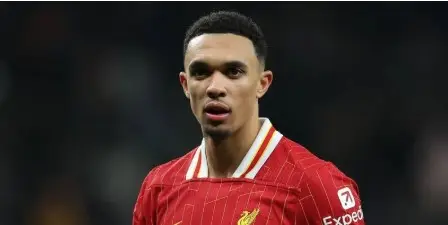
Most full-backs stretch a defence by running beyond the winger. Trent Alexander-Arnold built his reputation differently. He turns deep and wide positions into creative zones, then uses his passing range to start attacks before opponents can settle. His rise at Liverpool and move to Real Madrid show how much elite football now values defenders who can control a match with the ball.
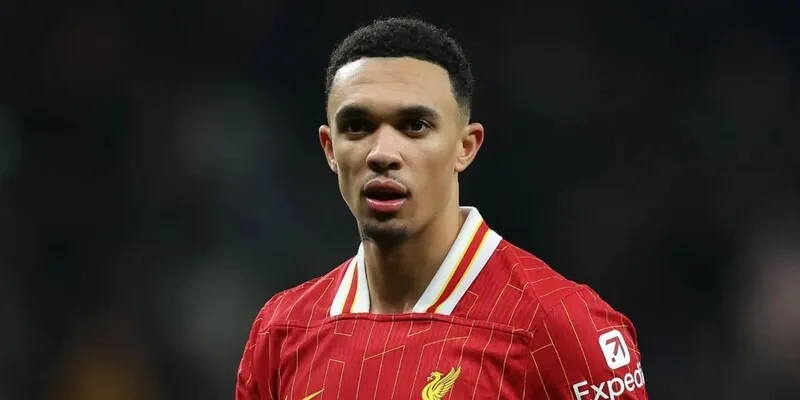
A Liverpool Education Built Around the Ball
Alexander-Arnold grew up in Liverpool and joined the club's academy at the age of six. Coaches first developed him as a midfielder, which explains his comfort in possession and his instinct to look forward. He made his senior competitive debut against Tottenham Hotspur in the League Cup in October 2016.
That midfield education shaped the right-back he later became. Instead of waiting near the touchline for a safe pass, he steps into central areas, receives under pressure and looks for runners between defenders. Liverpool gave him the freedom to take risks because his distribution could move the team from defence to attack in one action.
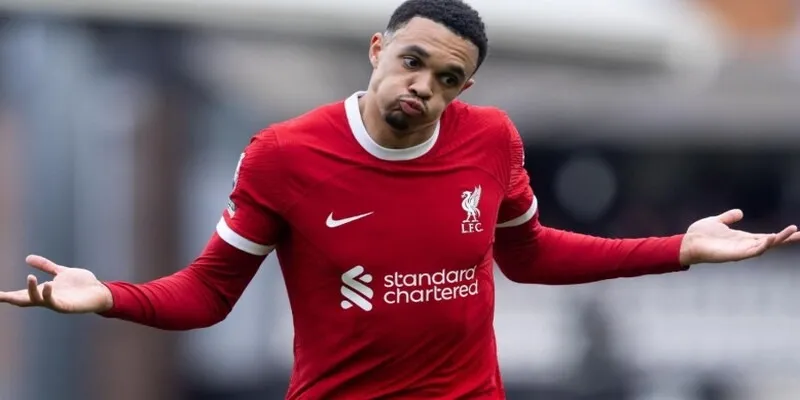
The Record Behind His Liverpool Legacy
Liverpool confirmed that Alexander-Arnold left the club in 2025 after 354 appearances and 23 goals. He also helped the team win eight major honours: two Premier League titles, the UEFA Champions League, the FIFA Club World Cup, the UEFA Super Cup, the FA Cup and two League Cups.
Those numbers explain only part of his influence. His quickly taken corner for Divock Origi against Barcelona in the 2019 Champions League semi-final captured his sharp thinking under pressure. He noticed that the defence had switched off, acted before anyone else and created the goal that completed Liverpool's comeback.
Why His Passing Changes the Shape of a Match
Alexander-Arnold can deliver an early cross before a defence reaches its preferred shape. He can also switch play with a diagonal pass, find a forward behind the back line or use a set piece to create a direct chance. That range forces opponents to defend more than the space around him.
His best work often begins before he receives the ball. He scans the pitch, checks a teammate's run and opens his body so that he can play forward with his first or second touch. When opponents crowd the centre, he attacks the far side. When they protect the wings, he passes through the inside channel. This decision-making separates genuine playmakers from players who simply cross often.
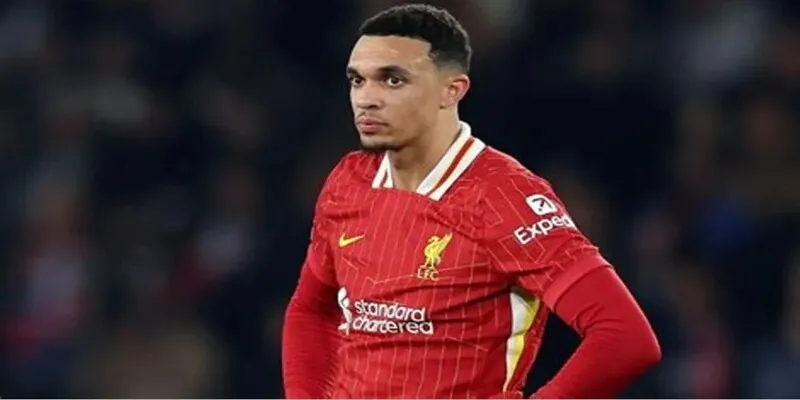
The Defensive Debate Needs Proper Context
Critics often judge Alexander-Arnold through isolated defensive moments. He deserves scrutiny when he loses a runner, mistimes a tackle or leaves too much space at the back post. However, a fair assessment must also examine the instructions around him. Liverpool frequently pushed him high or inside, which left the right-sided centre-back and midfielders to protect the space he vacated.
That system did not remove his defensive responsibility. It changed the type of defending he faced. He often had to recover over a long distance or stop a counterattack in open space. At Real Madrid, his progress will depend on how well he reads those transitions, wins one-to-one duels and balances his creative freedom with the team's defensive structure.
Real Madrid Presents a Different Test
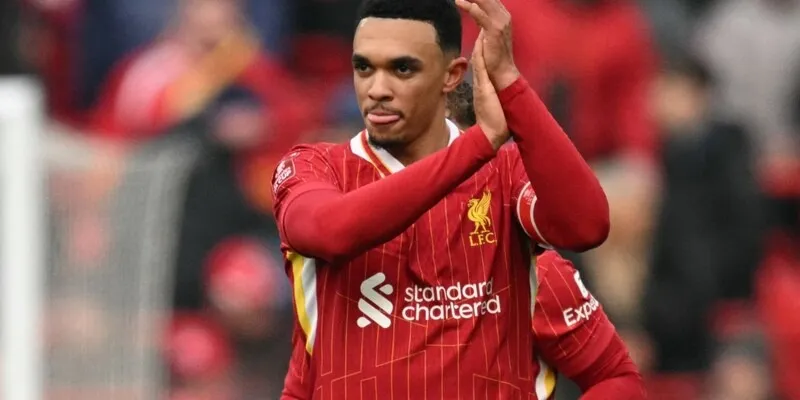
Real Madrid signed Alexander-Arnold in 2025 on a six-year contract running to June 2031. The move ended a career-long association with Liverpool and placed him in a new league, dressing room and tactical environment. Madrid did not sign him merely to repeat his Liverpool role. The club expects him to combine his passing quality with the positional discipline that high-pressure European matches demand.
Spanish football also gives him different problems to solve. Opponents may press him with narrower shapes, slow the tempo or attack the space behind him through quick combinations. His response will show whether he can adapt without losing the adventurous passing that made him valuable.
England Shows His Tactical Range
Alexander-Arnold made his senior England debut in 2018 and represented the country at the 2018 and 2022 World Cups as well as Euro 2024. England coaches have used him at right-back and in midfield because he can progress the ball from either position. In September 2026, his cross created Anthony Gordon's opening goal against Czechia, another reminder that his delivery can decide a tight match.
Keep Football Analysis Separate from Casino Play
Studying Alexander-Arnold can improve a reader's understanding of football tactics, but it does not provide an advantage in an unrelated casino game. Anyone opening the Nohu90 slot game should treat it as a separate entertainment product, set a firm spending limit and avoid chasing losses.
The same rule applies to Lucky Neko Nohu90. A strong opinion about a footballer, club or upcoming match should never influence a casino decision. Football analysis deals with tactical evidence; slot results follow the game's own mechanics.
What Will Define His Next Chapter
At 28, Alexander-Arnold has already completed the difficult journey from academy prospect to Premier League and Champions League winner. His next challenge will test adaptability rather than reputation. If he maintains his creativity, improves his defensive timing and stays effective across different tactical roles, he can shape games for Real Madrid and England for several more seasons.