Mermaid Themed Fish Games and the Appeal of an Underwater Story
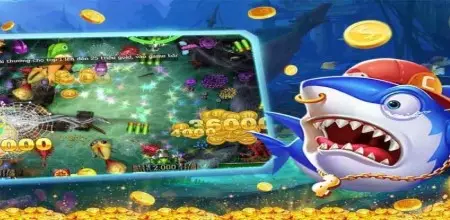
An underwater setting can make a fish game memorable before a reader knows anything about its rules. Characters, scenery, and visual transitions invite curiosity, giving the experience a theme rather than a collection of moving targets. A mermaid inspired title offers a useful starting point for exploring that appeal. The strongest introduction, however, keeps imagination separate from verified mechanics. It can explain why a setting is attractive without inventing special abilities, reward conditions, or features that have not been established for the version being discussed.
A setting can guide attention without defining the rules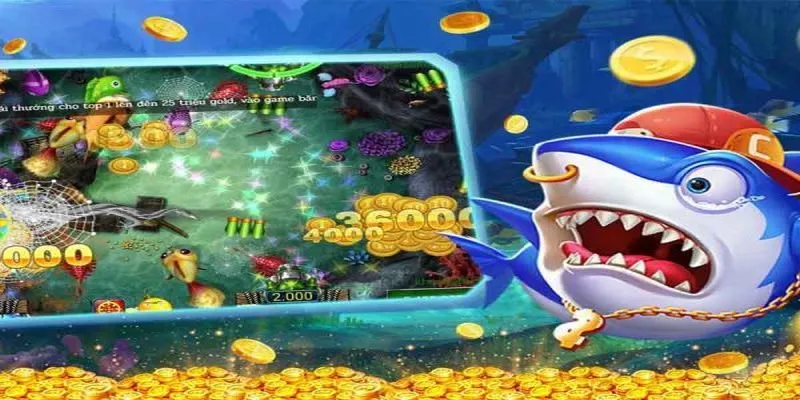
Readers exploring Bắn cá đổi thưởng may first notice the visual language of the genre. Water, movement, and recognizable creatures can help organize a scene. These elements contribute to atmosphere, but their presence alone does not explain how a result is determined or what any displayed value represents.
A useful promotional description can focus on the relationship between theme and readability. Does the presentation make the subject easy to recognize? Can a newcomer distinguish background decoration from information that needs attention? These are questions to investigate, rather than unverified claims about a particular product.
The distinction protects the reader from treating every visual detail as a functional feature. A character may belong to the story, the interface, or a specific event. Its actual role must be established by the relevant instructions. An appealing name should invite further exploration, not become a substitute for the rulebook.
Follow the story while checking the meaning of events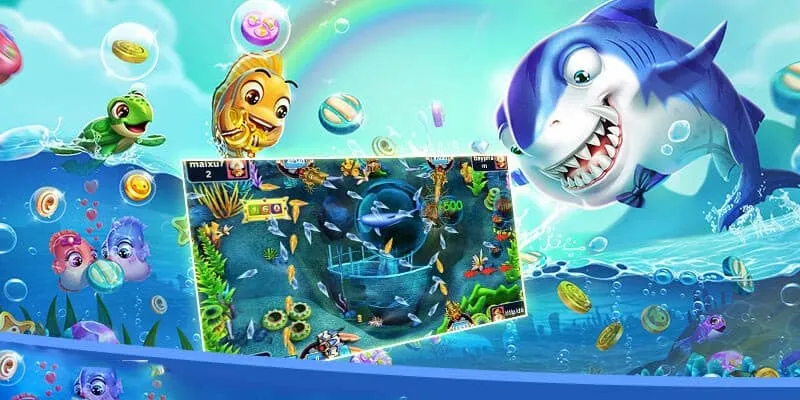
The title Bắn Cá Tiểu Tiên Cá suggests a mermaid related theme, but the title itself does not establish a complete game format. Readers should look for an explanation of what happens during the experience and which parts of the presentation carry an operational meaning. Different versions may use similar imagery in different ways.
For example, a scene change can be decorative, or it may accompany an event explained elsewhere. The reader needs the published description to know which interpretation applies. Assuming that a familiar animation behaves exactly as it did in another game can create confusion.
Atmosphere and instruction serve different purposes
A story can make an event feel important, while an instruction explains its actual conditions. Both can coexist in a well written introduction. The narrative provides interest; the explanation supplies boundaries. Neither needs to exaggerate the other to make the subject engaging.
This also applies to descriptions of rewards. A dramatic scene is not evidence that an outcome is frequent, valuable in a particular currency, or available under every account condition. Where the necessary information has not been verified, the article should leave those details open rather than fill them with attractive assumptions.
Choose an experience for clarity as well as appearance
Visual preference is personal. Some readers enjoy elaborate underwater scenes, while others prefer a quieter display with fewer competing elements. An introduction can acknowledge both preferences and help the audience think about what makes information comfortable to follow on their own device.
A useful observation task is to identify the elements that remain important when the screen becomes busy. The reader should be able to locate the relevant status, understand labels, and recognize when an explanation is needed. This is a practical way to consider design without claiming that a particular interface has already passed a detailed test.
The appeal of a character or setting should also remain separate from spending decisions. Enjoying a theme does not create a reason to increase a budget or continue beyond a planned session. A person can appreciate the artwork, read the guide, and decide that no further participation is appropriate.
Adults considering a real money format must check the law where they live and set limits beforehand. No story, animation, or visual identity guarantees a favorable outcome. If uncertainty remains about the rules or the service, that uncertainty should be resolved before any financial commitment rather than treated as part of the excitement.
It can help to note which impressions come from a name and which come from documentation. Writing those observations separately prevents a vivid theme from quietly becoming an assumed feature list. This small distinction makes comparisons between titles more useful and keeps a promotional description honest about what has actually been established.
Conclusion
Mermaid themed fish games can be introduced through the way an underwater story shapes attention and curiosity. A credible article celebrates that atmosphere while keeping mechanics, reward conditions, and account requirements grounded in the relevant documentation. Readers gain more from a clear distinction between narrative and instruction than from invented claims about special powers or easy rewards. That balance allows the theme to remain engaging while supporting a considered, informed approach to the experience.